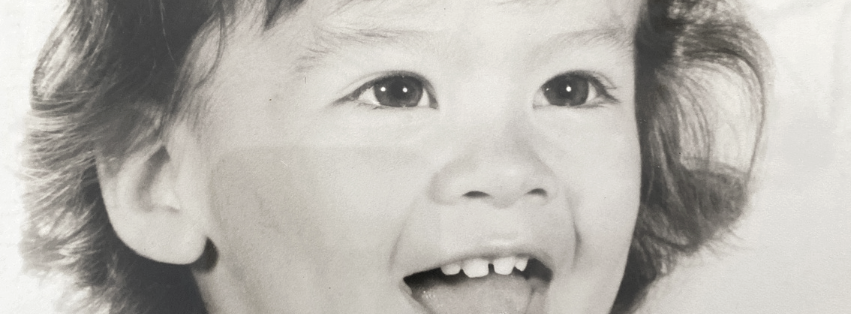
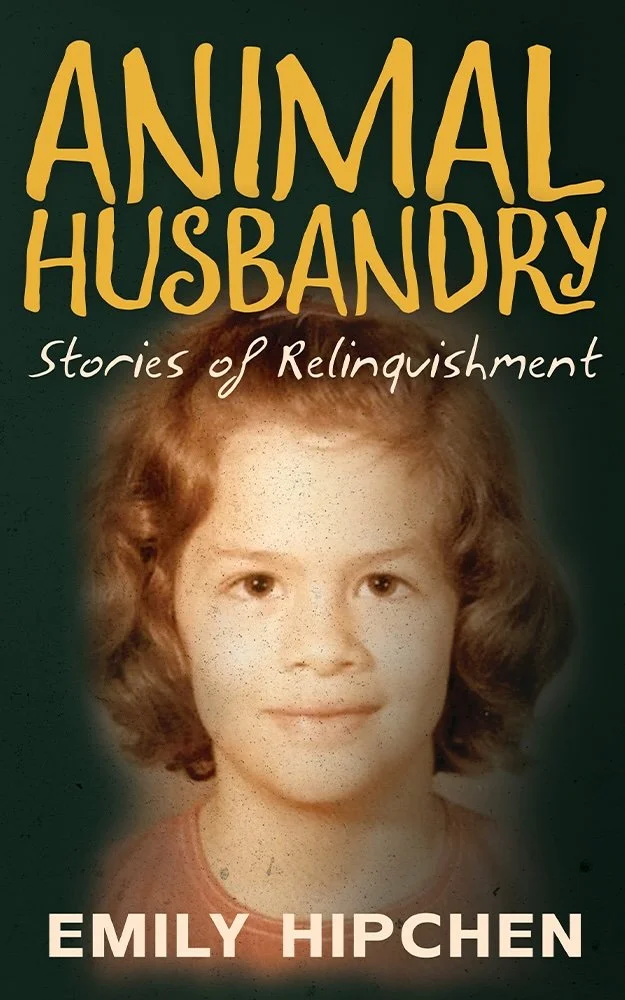
What’s it about?
In short: It’s stories about things and people getting lost, given away, surrendered, snatched, disappeared, erased.
… a husband and wife run their canoe aground on a stack of homicidal alligators; a college student enters a freezing pond fully clothed in an attempt to rescue a drowning duck; a backyard farmer attempts to figure out whether the baby chickens she's adopted will be hens (hint: not all of them); a dog lover confronts her dogs' violent nature. And some of the "animals" in this collection are actually people: a pedophile parked beside a playground; a truck driver who nearly kills the narrator's husband; a pair of ambivalent biological parents; the narrator herself fumbling through a poetry class, bewildered by love. There are awkward friendships, weird dissections, bouts of synesthesia, trials by food and fire, marriages, adoptions, separations, death—and the consequent grief and nostalgia for what's been and been destroyed. In language both precise and poetic, these stories capture beginnings and endings, attempting to understand relinquishment in the context of memory and expression, which exist to undo it.
From Animal Husbandry:
“My engagement ring is an old diamond solitaire, bought in Amsterdam a hundred years ago, back when cutting didn’t mean removing occlusions, back when occlusions identified a diamond. We take the stone and the mangled remains of its original setting to a local jeweler for reconstruction. Under the loupe, the tiny bit of unincorporated carbon looks enormous, like cracked pepper on a white tablecloth. The jeweler is delighted. Chuck is delighted. We will always know this diamond from any other. “Like us,” Chuck says. “Unusual, us alone, no one else like us.” We discover the same week that I have a deformed rib, it shows up in an x-ray like a squiggle in a cage of curves. Chuck falls asleep with his hand on it afterwards. “This is your tell,” he says, “how I will always know you, how I will always find you no matter what happens. Like the carbon in your diamond.” There are no flaws, only points of identity. A broken pinkie finger, a damaged elbow, the scar on his nose that the puppy made, the flat back of my head, the broken veins on his knees. Like us, like us.”
Praise for Animal Husbandry
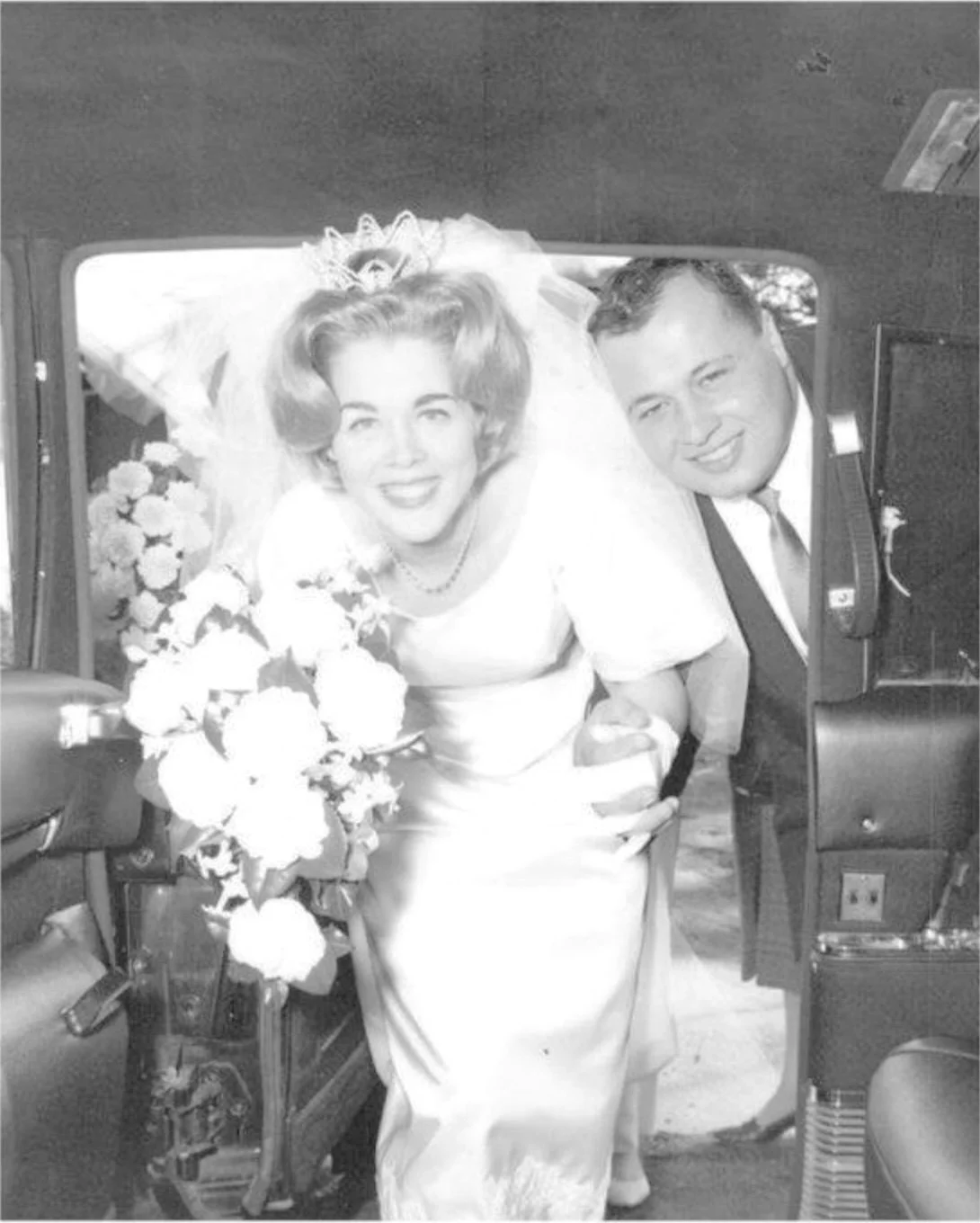
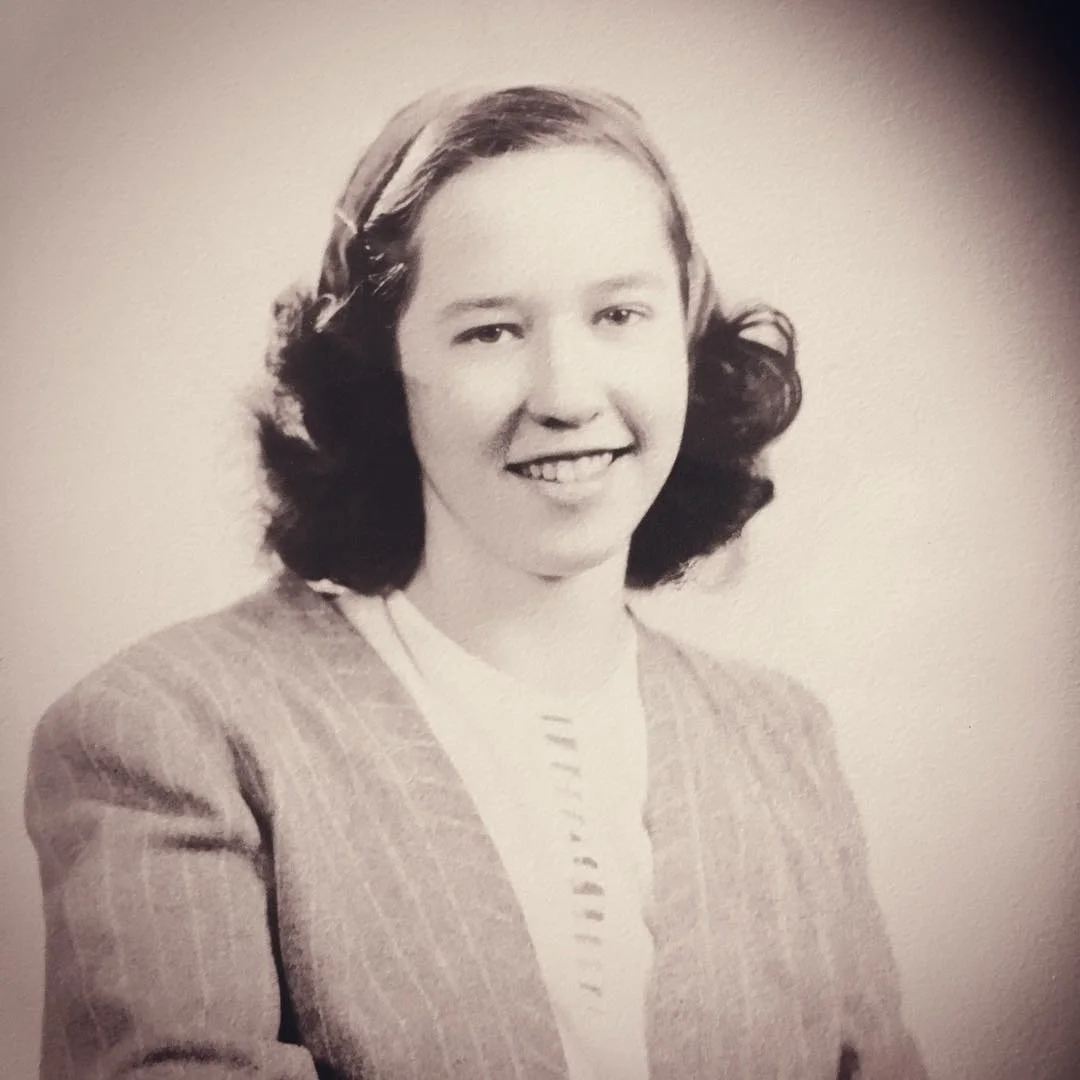
Animal Husbandry: Stories of Relinquishment, Emily Hipchen’s moving essay collection, transports the reader deep inside the country of her life, the village of her childhood and town of her marriage. With the intimacy of a friend pulling you closer and sentences so sharp they bleed, she writes about the extraordinary and the everyday of people, creatures, place, and ultimately, home. I have not read anyone write about girlhood with such clarity and beauty. She conveys childhood’s bewilderment and exhilaration and shows how a person grows into their power and their voice. Read Animal Husbandry to remember you own growing up and to be moved to tears and laughter in this lyrical memoir which will stay with you long after you finish the last story.
—Grace Talusan, author ofThe Body Papers, winner of the Restless Books Prize for New Immigrant Writing and the Massachusetts Book Award in nonfiction, and a New York Times Editors’ Choice selection.
“To husband is to use with care, to keep, to save, to make last, to conserve,” writes Wendell Berry. The word meant farmer long before it meant married man. In this book a father calls his adoptive children animals, a husband dies, and the author circles the wagons of memory. I cried reading these exquisite, painful stories. A steward of delicate interrelation, Emily Hipchen sparkles in Animal Husbandry.
—Ralph James Savarese, author of Reasonable People and See It Feelingly
Emily Hipchen’s Animal Husbandry is in constant transit through multiple universes: that of the child abruptly dropped into the suffocating heat and restless wildlife of 1960s Florida, that of the courageous adult navigating a great love and even greater loss, and that of a daughter, relinquished and reclaimed, probing our deepest questions of identity and self. In prose both luminous and immersive, Hipchen introduces us to an unforgettable world that shines in memory and in the pages of this marvelous book.
—Ned Balbo, author of The Cylburn Touch-Me-Nots: Poems, 3 Nights of the Perseids, and Lives of the Sleepers, winner of the Ernest Sandeen Prize in Poetry
Animal Husbandry pays tribute to a life-long quest for female kinship and belonging in both natural and domestic spheres. From girlhood wanderings along the riverside to suburban gardening and raising backyard flocks, Hipchen’s lyric and synesthetic prose is deeply attuned to time’s passage and to the forces that shape women’s lives. In this capacious memoir, we encounter wonders observed, dangers narrowly skirted, and Hipchen’s frank testimonies to the complicated pursuit of motherhood and the lasting bonds of married love.
—Jane Satterfield, author of The Badass Brontës and Luminous Crown (forthcoming this year from Word Works)
One of the foremost essayists of the twentieth or any century, the great Joan Didion referred to herself in her seminal essay “On Keeping a Notebook” as a creature “afflicted apparently at birth with some presentiment of loss.” In her own soaring new collection, Animal Husbandry, Emily Hipchen reveals herself to be another such creature and, like Didion, proves herself to be one of the few writers capable of rendering/enacting—with a precision that is at once aesthetically exquisite and emotionally harrowing—the way(s) that great love, great grief, and great violence can both make and unmake self and world. Whether writing about raising chickens or attempting to rescue a duck, about adoption and belonging or the experience (and legacy) of childhood abuse and sexual violence, or about the unbearable death of a friend or the even more unbearable death of an utterly adored husband, Hipchen explores the ways that we as humans are forced—often (or always?) violently—to relinquish the creatures, including the versions of self, that we so desperately love and need. It is an enormous undertaking, both an elegy and a protest, one that Hipchen navigates with grace, skill, and consummate courage.
—Donna de la Perrière, author of For You Who are Being Obliterated, Works of Love and Terror, and Saint Erasure
Relinquishment, like story-writing, is an art form: we cannot relinquish what we do not first know, possess, and cherish in our (animal) bones. Oh, the term has so many ramifications! The stories of Emily Hipchen, as true as they can be, are a primer for readers (and writers, both) interested in cleaving as closely as possible to what is knowable, possessable, and cherishable before having to relinquish it. Animal Husbandry, both almanac and book of common prayer, shows us just how perfect and powerful short-form nonfiction can be, in the right hands and paws.
— Elizabeth Boleman-Herring, author of Greek Unorthodox and The Visitors’ Book